

Service 05 of five
Parcel locker logistics, transport and relocation
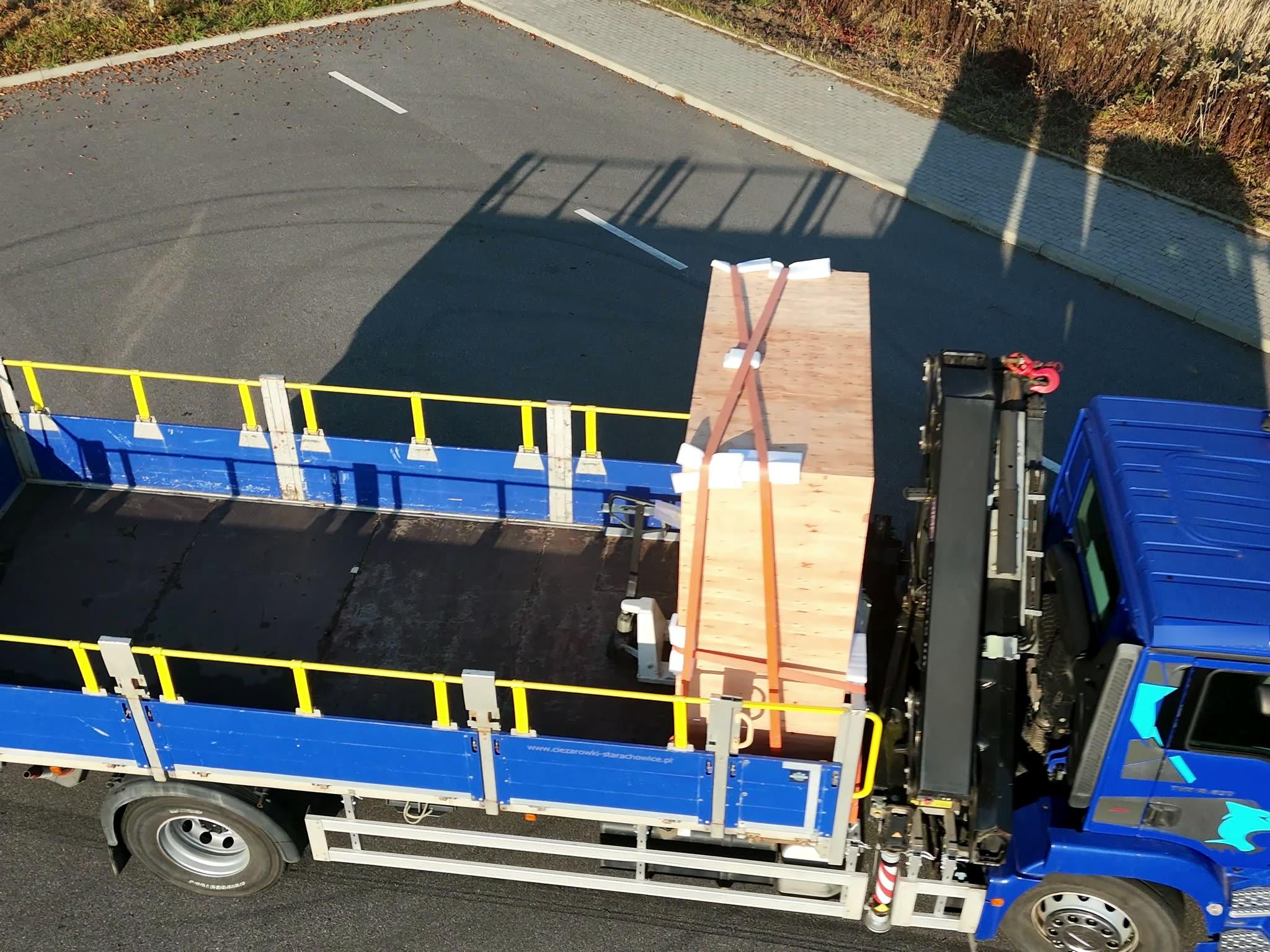
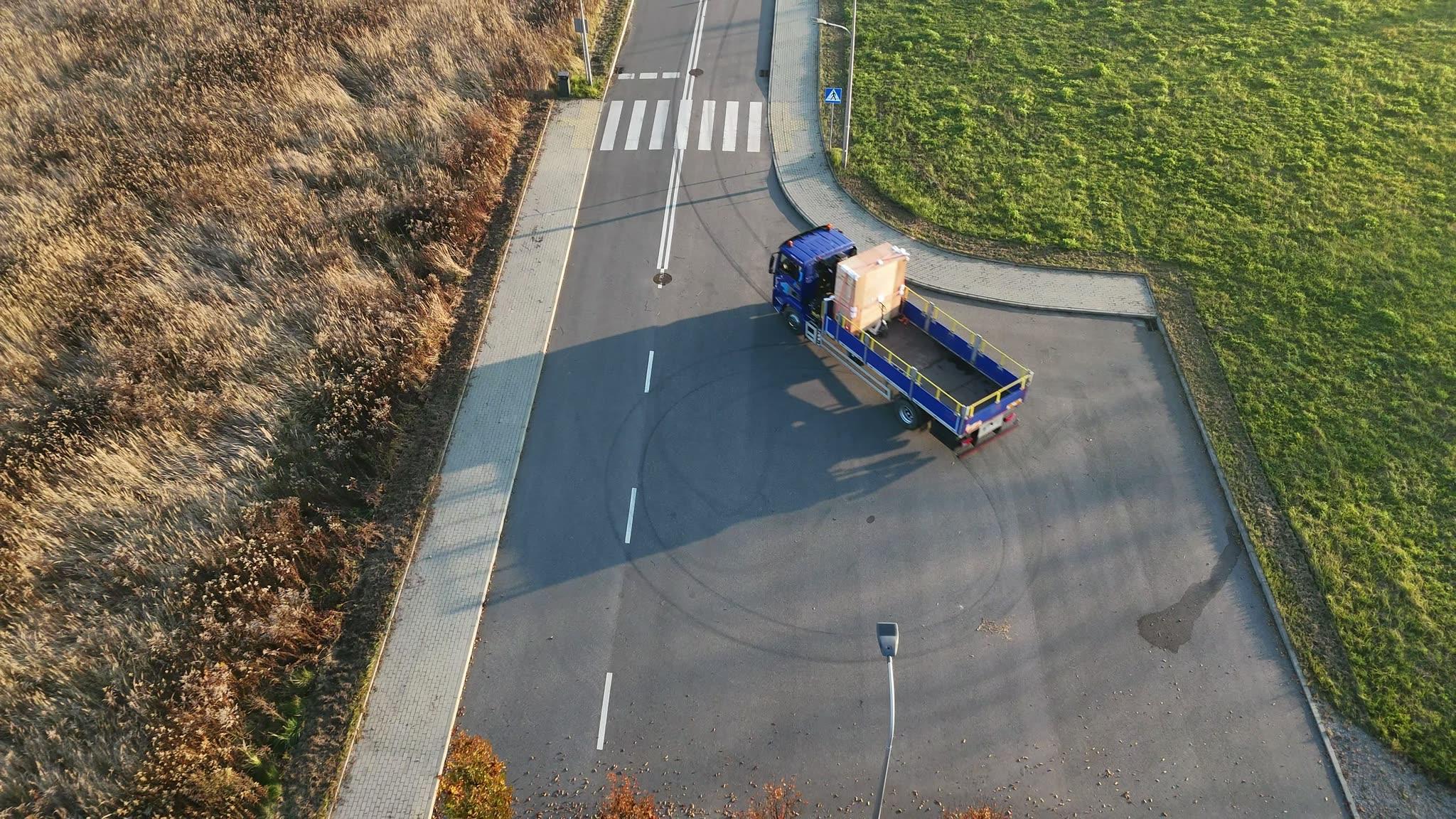
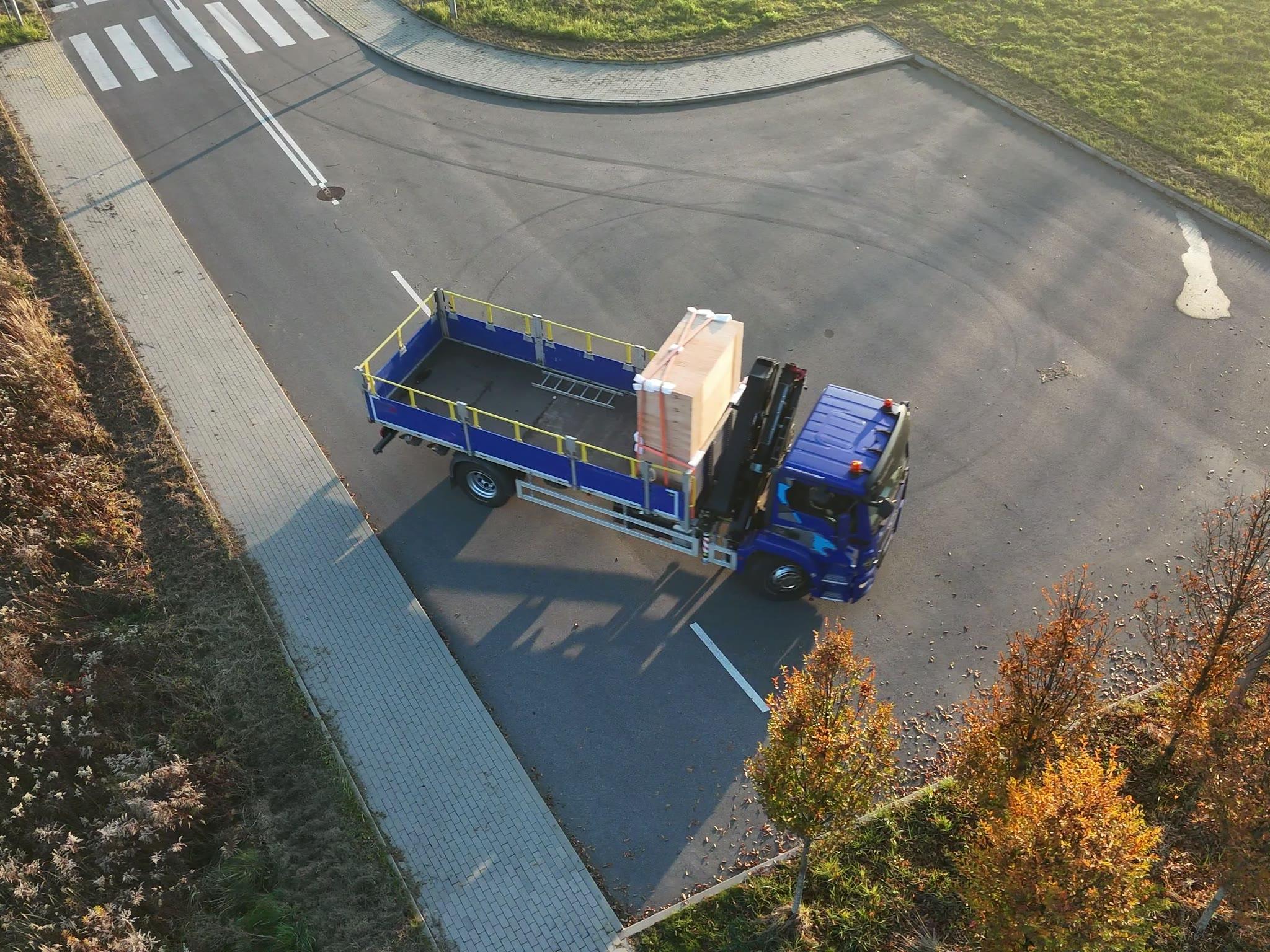
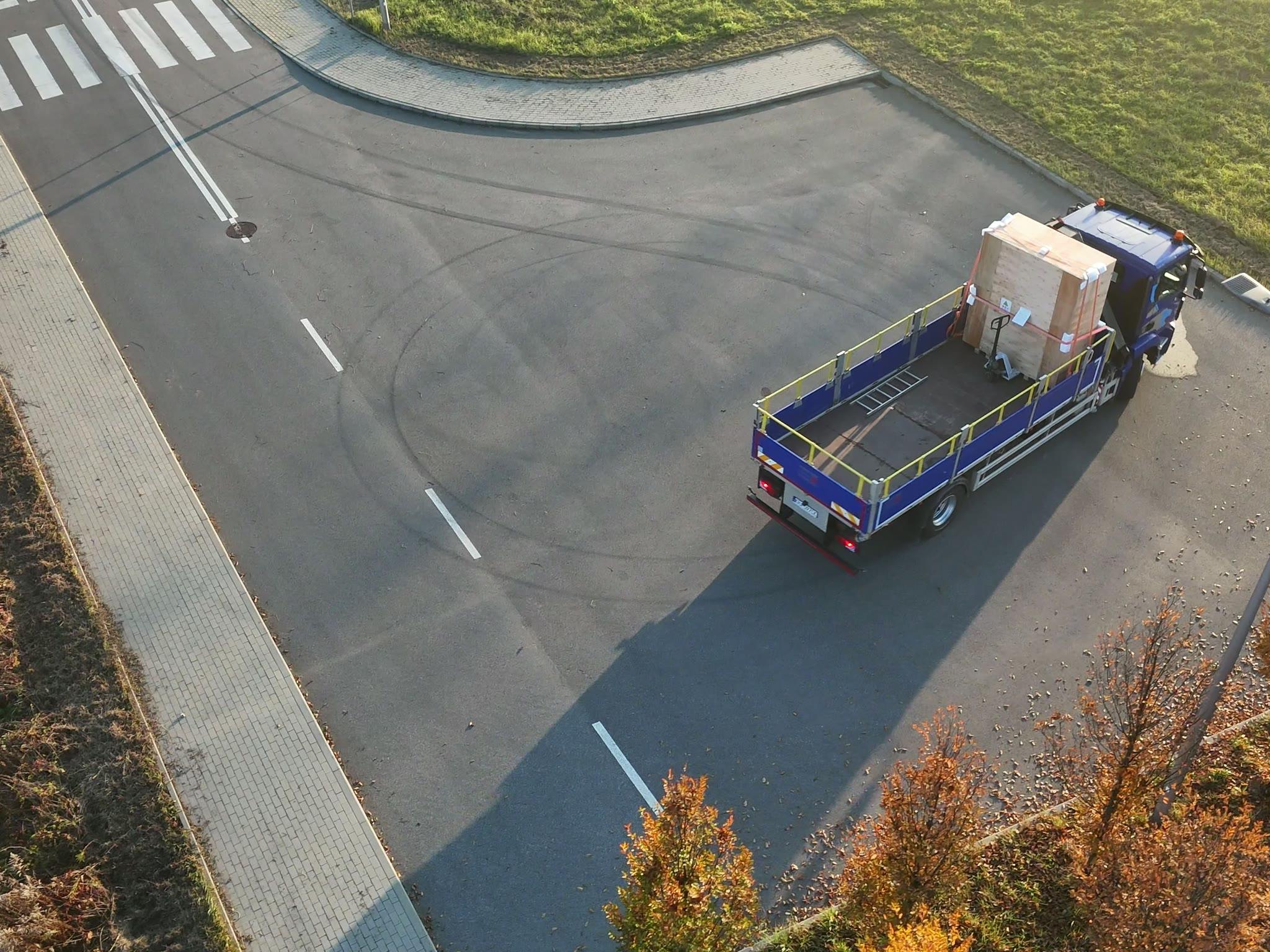
Collection from the manufacturer, storage, transport to site, relocation and decommissioning. One contractor from the manufacturer's loading bay to a working locker.
Scope of work
- Collection of devices from the manufacturer or the port
- Storage until the site is ready
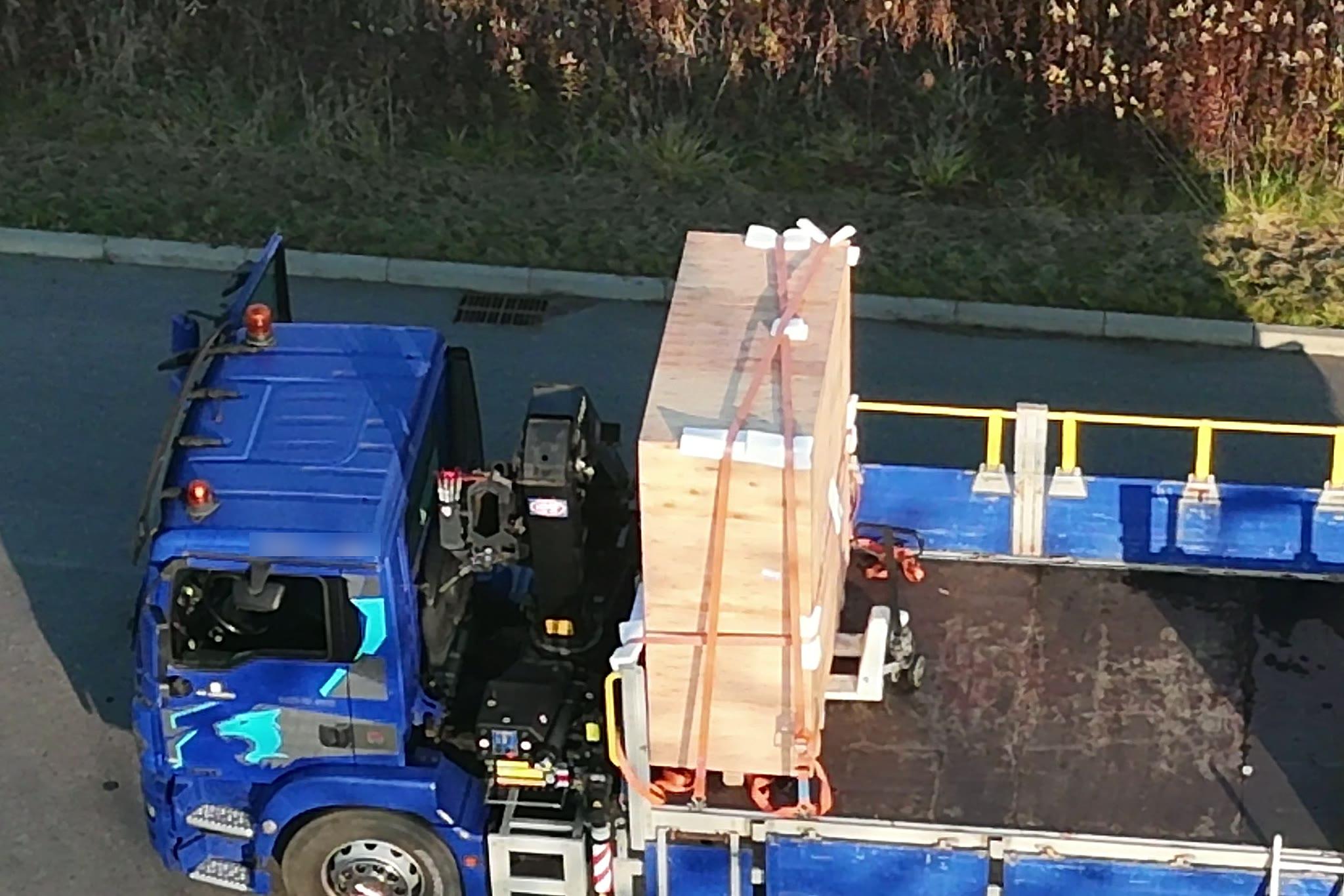
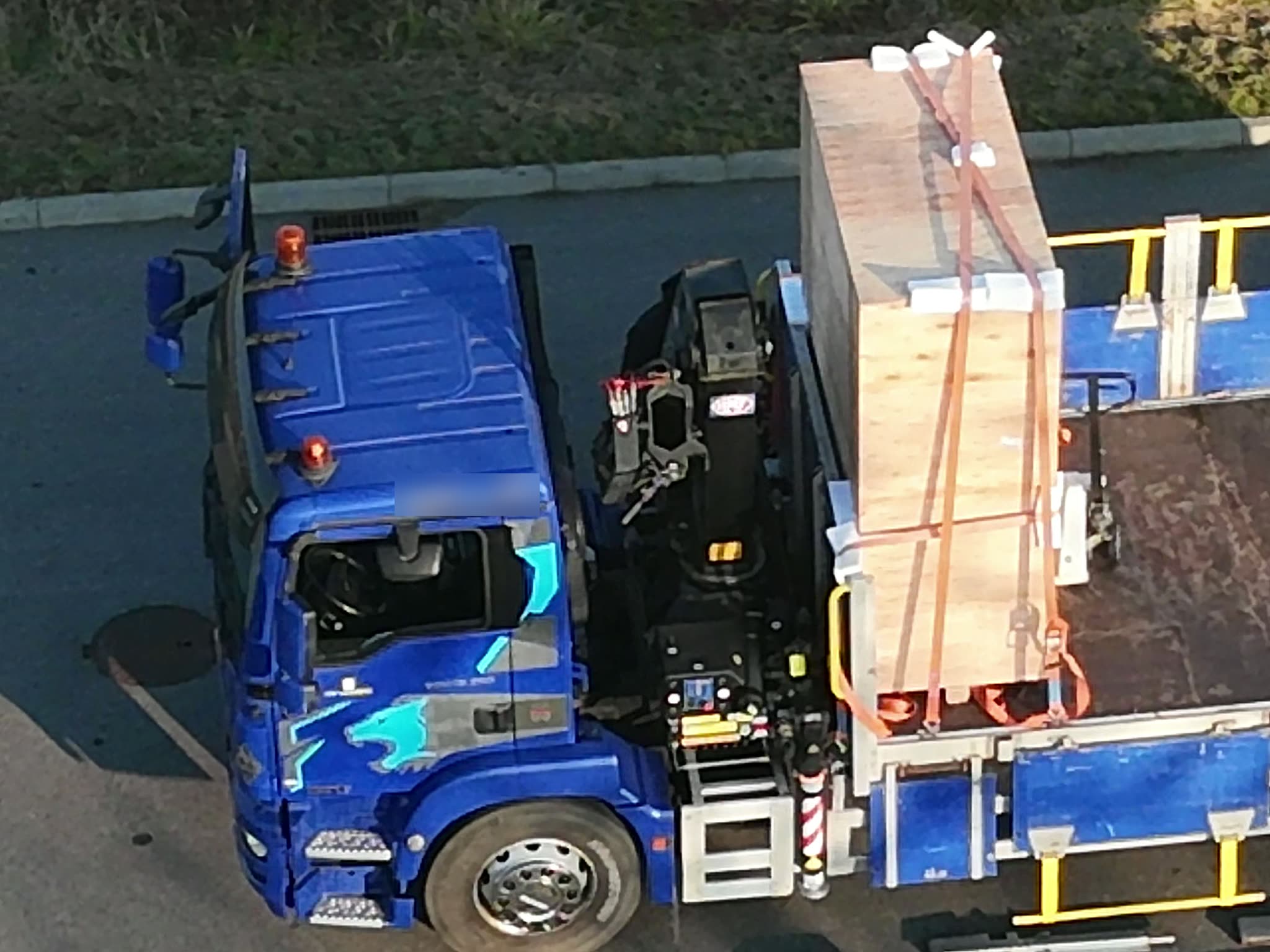
- Transport to the base, including unloading
- Relocation of devices between sites
- Dismantling and decommissioning
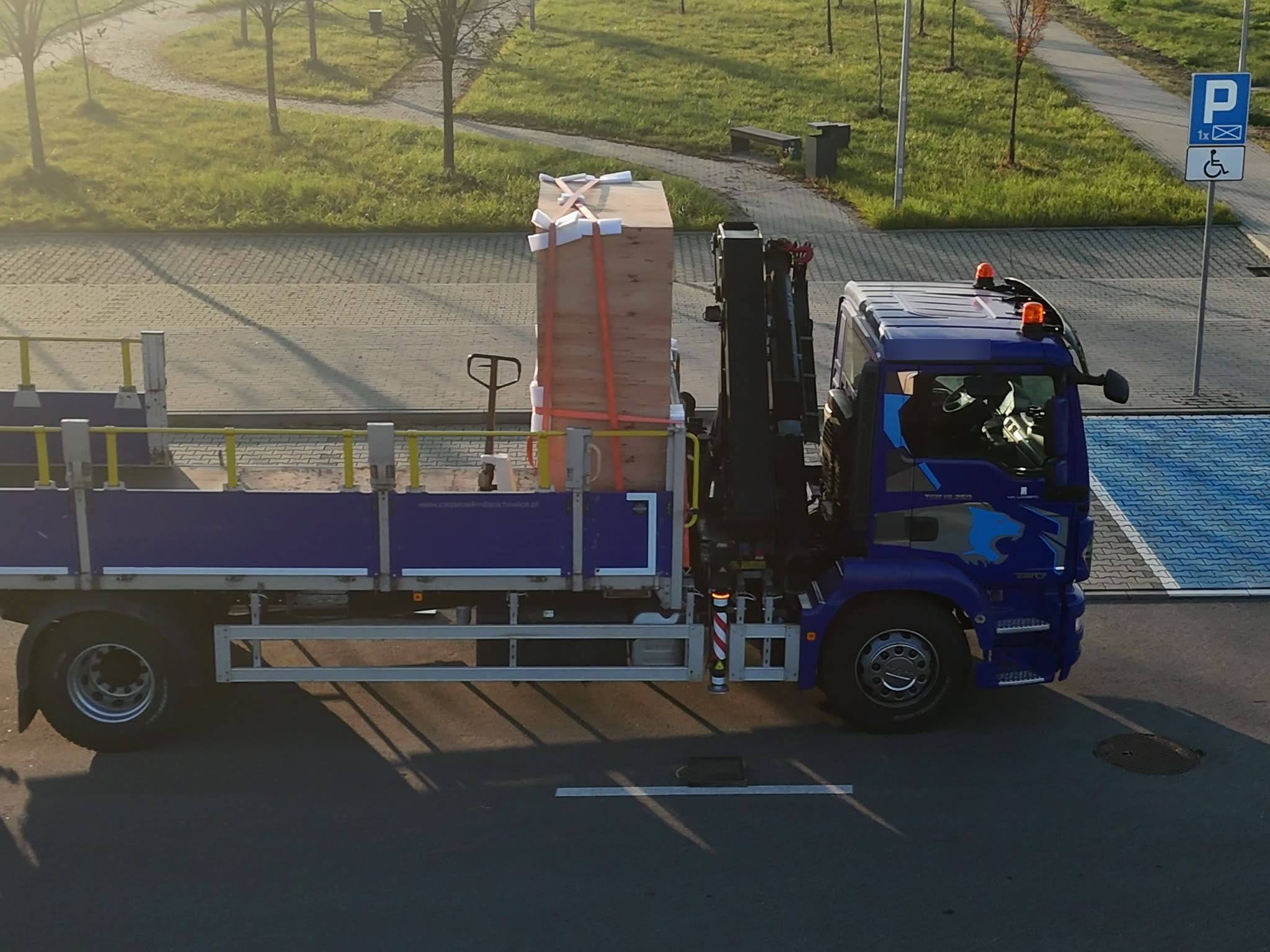 Enlarge photo
Why transport and installation belong with one contractor
A locker damaged during unloading falls between two parties: the haulier points at the installer, the installer points at the haulier, and the operator waits. When one company does both, the boundary disappears and so does the dispute.
The second reason is timing. A device delivered to a site that is not ready goes back to storage or stands on site unsecured. By planning transport and installation together, we schedule delivery for the day the base is signed off.
 Enlarge photo
Relocation and decommissioning
A locker network does not stay fixed. Sites lose footfall, leases end, and devices move to where they make sense. We handle relocation the same way as a first installation: preparing the new base, transport and an acceptance test once the device is in place.
When we decommission a device, we leave the site tidy and take the device wherever you tell us: to storage, to another site or for disposal.
 Enlarge photo
What we check on collection from the manufacturer
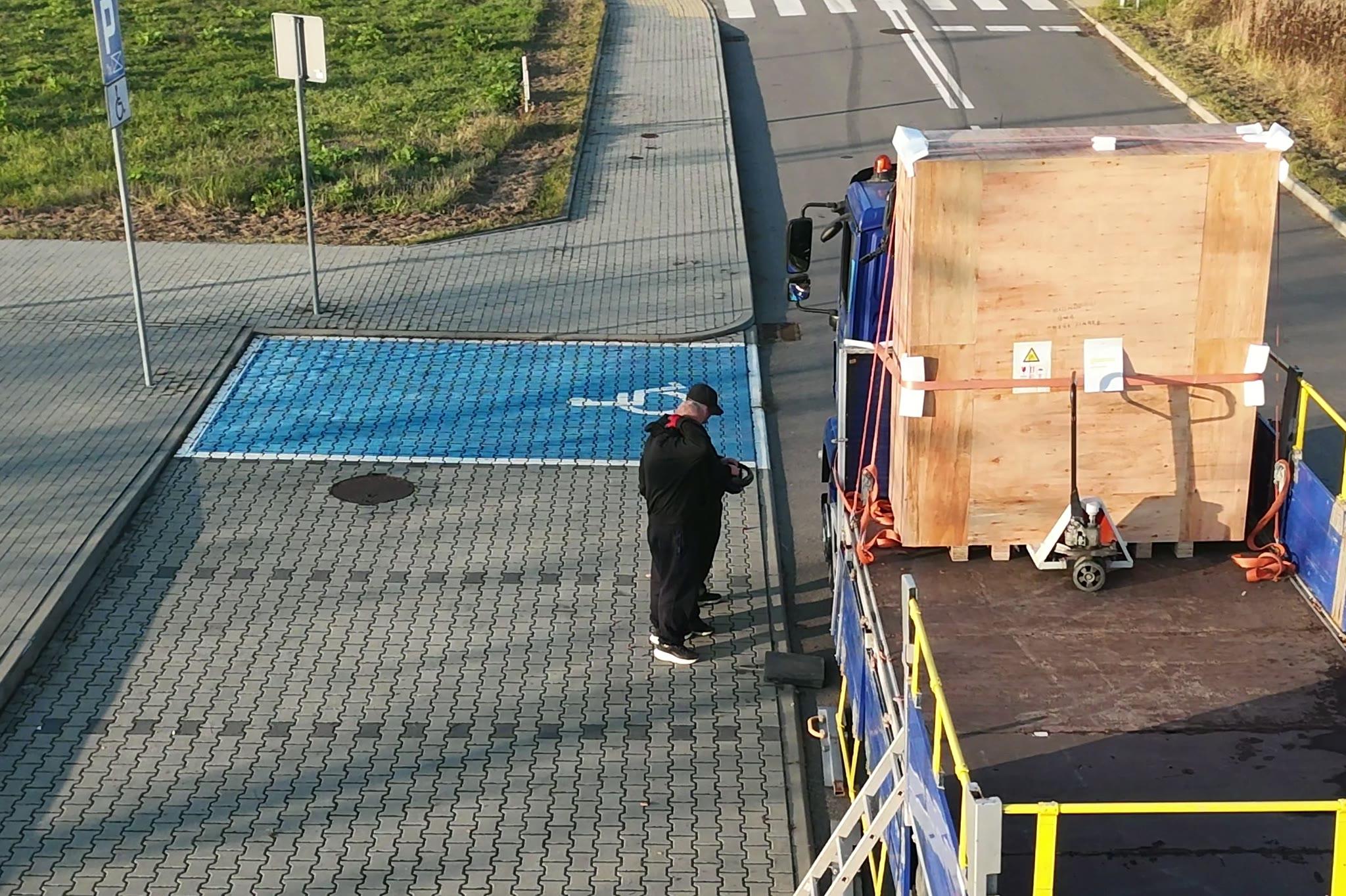
Collection is the only moment when transport damage can still be attributed to the sender. That is why we inspect the device before signing the consignment note.
- Condition of the packaging and transit protection
- Inspection of the housing, doors and locker modules
- Serial numbers matched against the documentation
- Photos of the device's condition at collection
 Enlarge photo
Storage
Devices waiting for their site to be ready are stored indoors with us, in an area secured against third-party access. Each one has its serial number and intake date recorded, so you always know how many units are waiting and since when.
We invoice storage separately from transport, so you can see what a delay on the site side costs. That figure usually speeds up decisions on site preparation.
 Enlarge photo
Transport records
Every journey leaves a record: who collected the device, when, in what condition and who it was handed to. With one device this seems excessive. With twenty, it is the only way to know where each one is.
- Consignment note with collection and delivery dates
- Photos of the device's condition at collection and at handover
- Serial number assigned to the destination site
 Enlarge photo
Relocation step by step
Relocation is an installation done in reverse, then once more the usual way. We prepare the new base first and only then move the old device. Otherwise the locker sits on a trailer waiting for the foundation to cure.
We dismantle the device so that its pre-move setup can be reproduced: we record its positioning, signage and connections. Once it is in its new place, we run a full acceptance test, the same one as at first installation.
We leave the old base tidy. If the landowner expects the surface to be restored to its original condition, we agree this before dismantling.
 Enlarge photo
Decommissioning
A device leaving the network goes wherever you tell us: to storage, to another site or for disposal. For disposal, we hand it over to a licensed waste handler and give you a document confirming the transfer.
Before decommissioning, we close the device in the panel so it does not stay on the list as active. A locker that no longer physically exists but still shows as active distorts every report anyone later builds from that data, including the maintenance billing, which starts to show missing visits for a device that now exists only in the database.
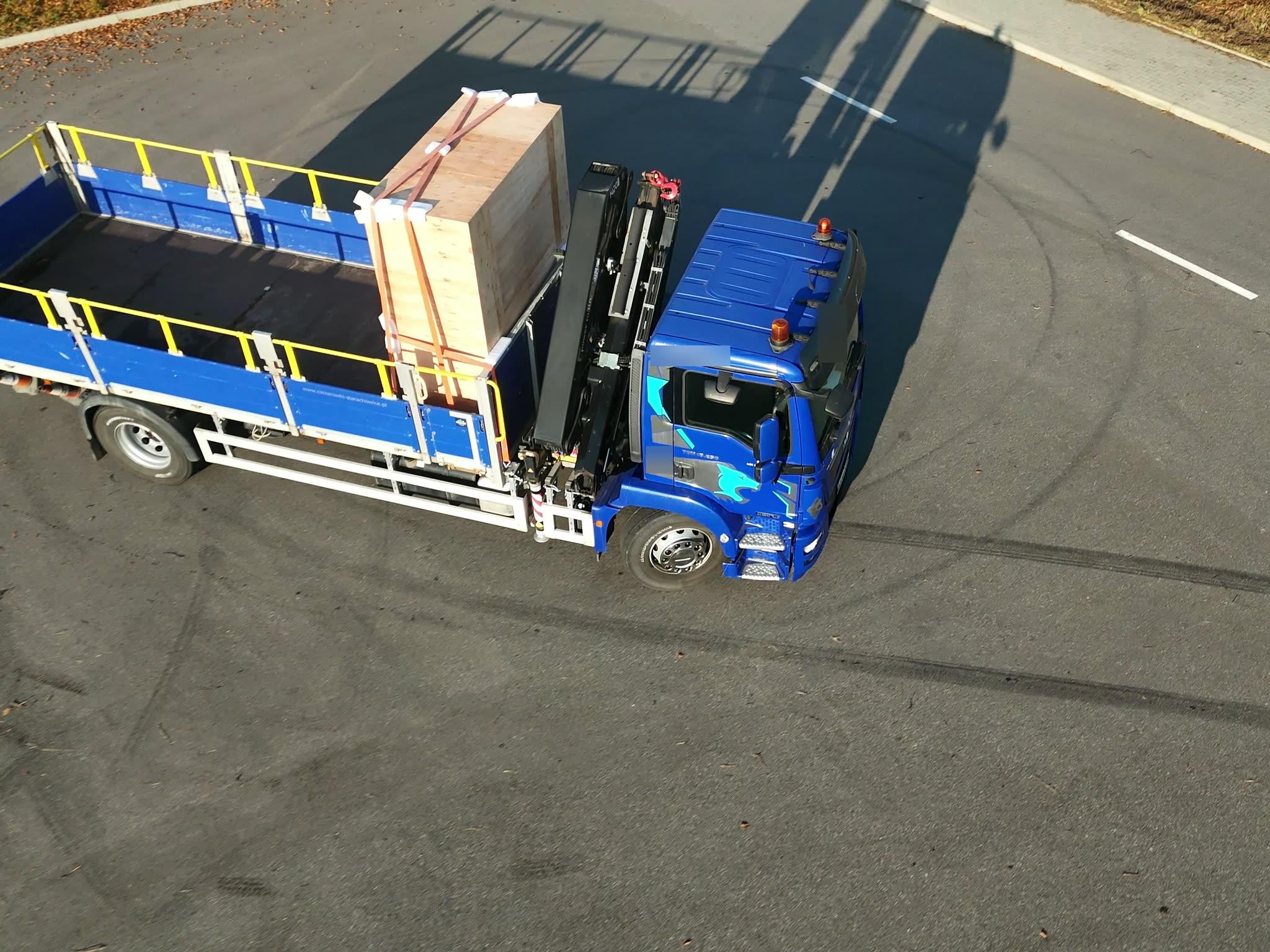
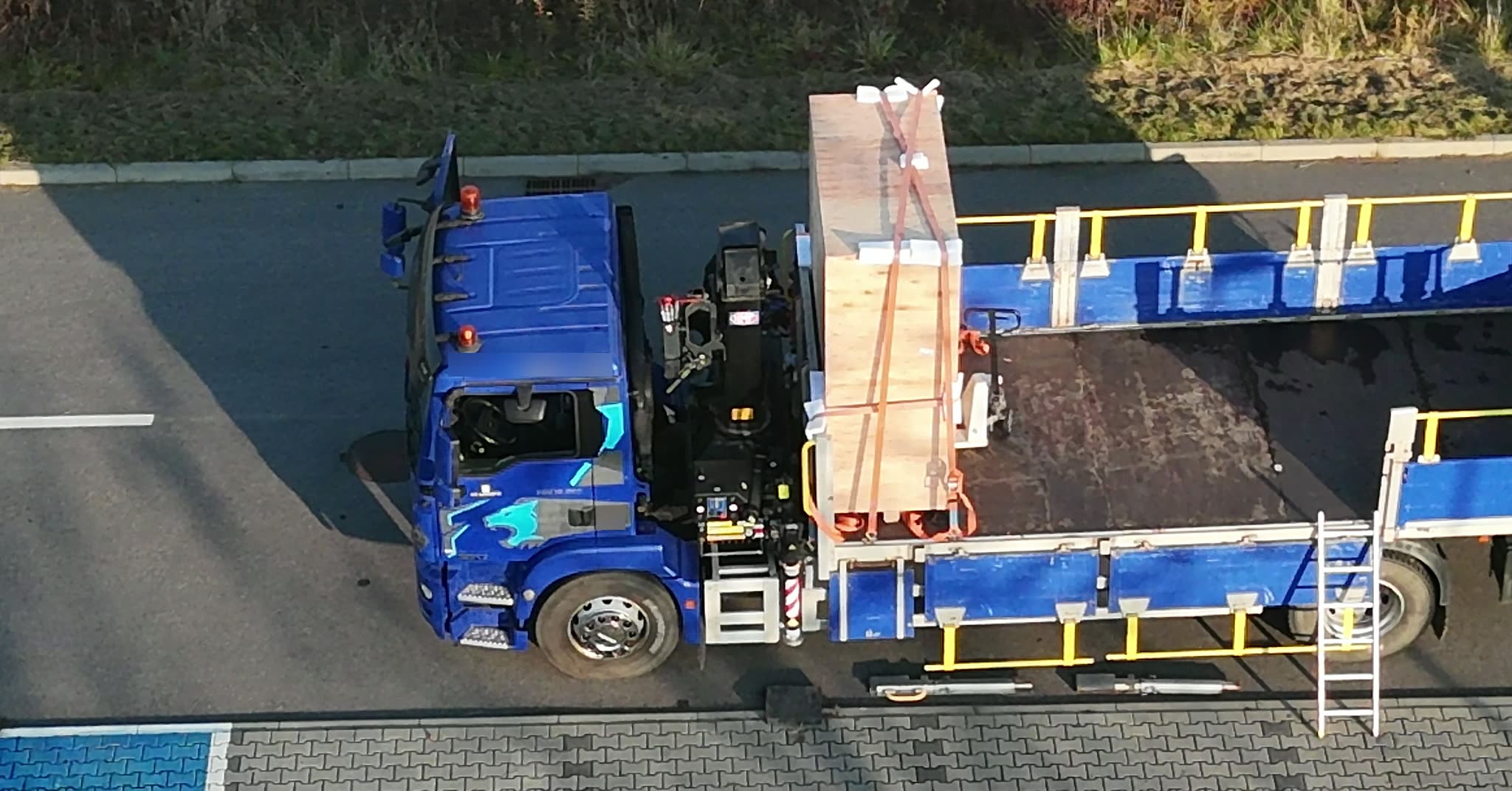
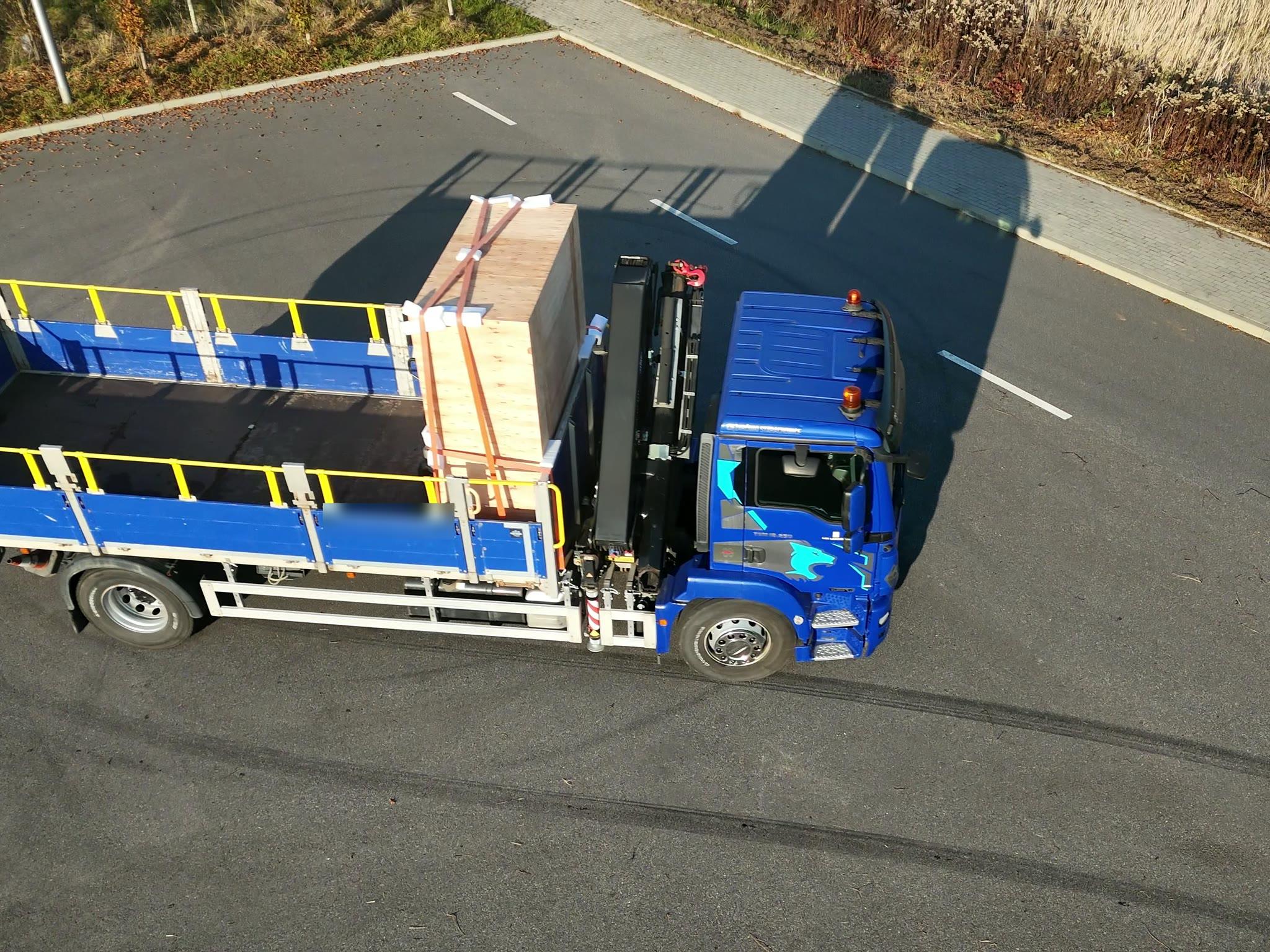
Photos from our own work

What unplanned transport costs
A device sitting in storage earns nothing, and a device delivered too early blocks the site and needs watching. The most expensive case is a locker unloaded at a site that cannot yet be connected to power: you then pay for a second transport of the same device.
Ask about transport and storage
Tell us how many devices you have, the collection point and the destination sites. We will send you a quote with dates.